
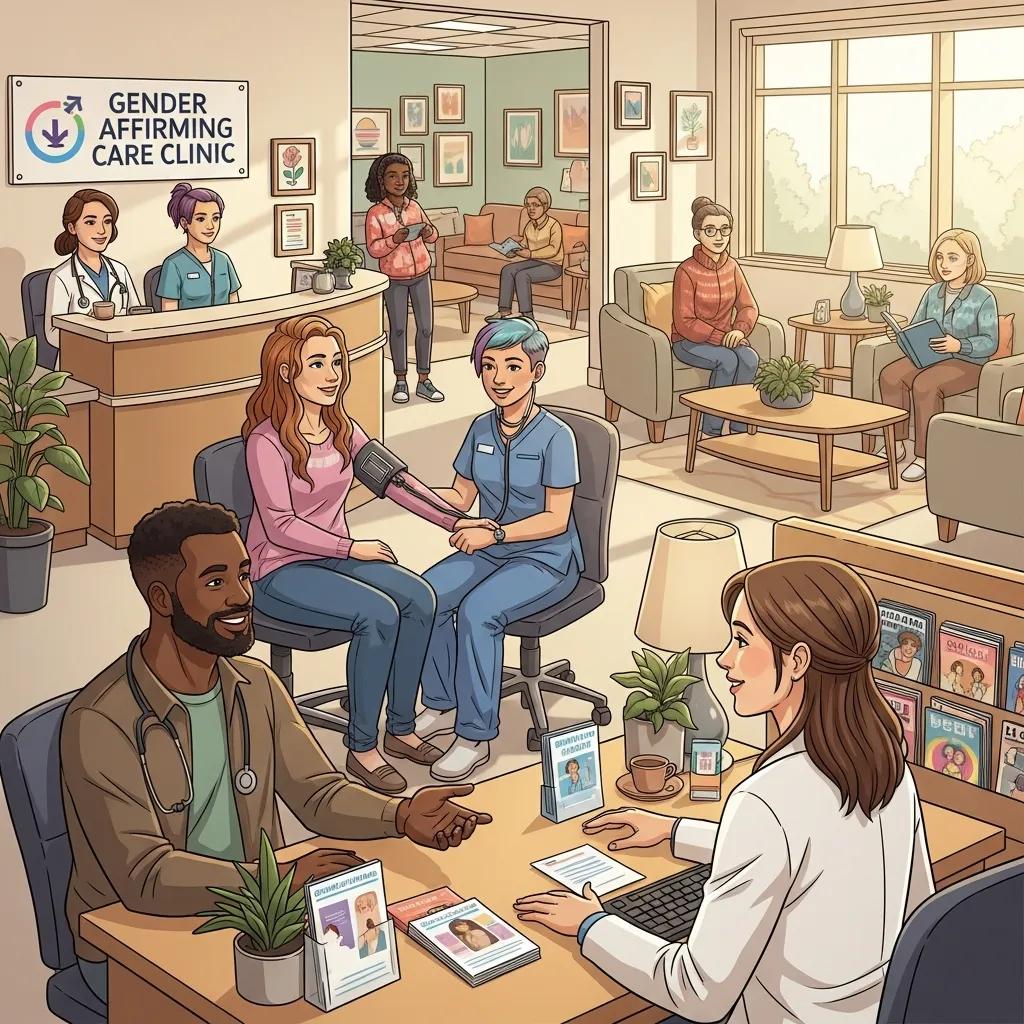
Discover Comprehensive Gender-Affirming Care: Your Guide to Inclusive Transgender Healthcare
Gender-affirming care is a vital aspect of healthcare that supports the well-being of transgender individuals. This comprehensive guide aims to illuminate the various facets of gender-affirming care, including its significance, treatment options, and the importance of inclusive healthcare practices. Many transgender individuals face barriers in accessing appropriate healthcare, which can lead to negative mental health outcomes. By understanding the mechanisms and benefits of gender-affirming care, we can foster a more inclusive environment that promotes health equity. This article will cover essential topics such as gender dysphoria, hormone therapy, surgical options, mental health integration, legal considerations, and tailored care for youth and adolescents.
Further insights into the comprehensive nature of gender-affirming care, encompassing hormones, surgery, and mental health, are explored in the following resource.
Comprehensive Gender-Affirming Care: Hormones, Surgery & Mental Health
can provide hormone therapy (HT) to bring sex hormone levels to target ranges, and discusses trans assessment criteria, hormone therapy, surgical options, primary care, and mental health needs of transgender individuals.
Endocrine treatment of transgender individuals: current guidelines and strategies, JCJ Prince, 2020
What Is Gender-Affirming Care and Why Is It Important?
Gender-affirming care refers to a range of medical, psychological, and social interventions designed to support individuals in aligning their physical and emotional identities with their gender. This type of care is crucial for improving mental health outcomes and overall quality of life for transgender individuals. Research indicates that access to gender-affirming care significantly reduces rates of depression and anxiety among transgender patients. By providing comprehensive support, healthcare providers can help individuals navigate their unique journeys toward self-acceptance and well-being.
The profound benefits of gender-affirming medical care, particularly for mental well-being and equitable access, are further emphasized by research.
Equitable Access & Benefits of Gender-Affirming Medical Care
This article highlights the benefits of gender-affirming medical care (GAMC) for transgender and gender diverse people with severe mental illness—and explores reverse integration models for promoting equitable access to care.
Equitable Access to Gender-Affirming Care for Transgender and Gender Diverse People with Severe Mental Illness: A Reverse Integration Approach, 2022
Understanding Gender Dysphoria and Its Treatment Options
Gender dysphoria is a psychological condition characterized by significant distress due to a mismatch between an individual’s experienced or expressed gender and their assigned sex at birth. Treatment options for gender dysphoria include psychotherapy, hormone therapy, and surgical interventions. Early intervention is essential, as it can lead to better mental health outcomes and improved quality of life. Supportive therapy can help individuals explore their gender identity and develop coping strategies, while medical treatments can facilitate physical changes that align with their gender identity.
How Inclusive Healthcare Practices Support Transgender Individuals
Inclusive healthcare practices are essential for creating a supportive environment for transgender individuals. These practices involve recognizing and respecting patients’ gender identities, using appropriate pronouns, and providing culturally competent care. Inclusive healthcare not only improves patient satisfaction but also enhances health outcomes. For instance, studies show that transgender patients who receive affirming care are more likely to engage in preventive health measures and seek necessary medical treatment.
Gender Med Journal is dedicated to providing comprehensive, credible health and medical information focused on gender-affirming care, ensuring that all individuals receive the support they need.
How Does Gender-Affirming Hormone Therapy Work?

Gender-affirming hormone therapy involves the administration of hormones to help individuals develop physical characteristics that align with their gender identity. This therapy typically includes estrogen for transgender women and testosterone for transgender men. The mechanism of hormone therapy works by altering the body’s hormonal balance, leading to changes such as breast development, body fat redistribution, and voice deepening. These changes can significantly enhance an individual’s sense of self and overall well-being.
Protocols and Guidelines for Transgender Hormone Therapy
Protocols for transgender hormone therapy are established to ensure safe and effective treatment. These guidelines typically include comprehensive assessments, informed consent processes, and ongoing monitoring of hormone levels and health outcomes. Healthcare providers are encouraged to educate patients about the potential effects and risks associated with hormone therapy, fostering informed decision-making. Regular follow-ups are essential to adjust dosages and address any side effects that may arise during treatment.
Effects and Outcomes of Hormone Treatment
Hormone treatment can lead to various positive effects, including physical changes that align with an individual’s gender identity. However, it is also important to consider potential side effects. The following table summarizes the effects and outcomes of different hormone treatments:
Understanding these effects helps individuals make informed choices about their treatment options.
What Are the Available Gender-Affirming Surgery Procedures?

Gender-affirming surgeries encompass a variety of procedures that help individuals achieve physical characteristics aligned with their gender identity. Common surgical options include breast augmentation for transgender women and chest masculinization for transgender men. These surgeries can significantly enhance body image and self-esteem. Eligibility for surgery typically involves meeting specific criteria, including mental health evaluations and adherence to hormone therapy protocols.
Common Surgical Options and Their Benefits
Several surgical procedures are available for individuals seeking gender-affirming surgery. These include:
- Breast Augmentation: Enhances breast size and shape, contributing to a more feminine appearance.
- Chest Masculinization: Removes breast tissue to create a flatter chest contour, aligning with a masculine identity.
- Genital Surgery: Includes vaginoplasty for transgender women and phalloplasty for transgender men, allowing for functional and aesthetic alignment with gender identity.
These surgeries can lead to improved mental health and quality of life for many individuals.
Post-Operative Care and Recovery Guidelines
Post-operative care is crucial for ensuring successful recovery after gender-affirming surgeries. Patients are advised to follow specific guidelines, including:
- Wound Care: Keeping surgical sites clean and dry to prevent infection.
- Pain Management: Using prescribed medications to manage discomfort.
- Follow-Up Appointments: Attending scheduled check-ups to monitor healing and address any concerns.
Understanding these guidelines can help individuals navigate their recovery process effectively.
How Is Mental Health Integrated into Gender-Affirming Care?
Mental health plays a critical role in gender-affirming care, as many individuals experience psychological distress related to gender dysphoria. Integrating mental health support into care plans can enhance overall treatment outcomes. This integration may involve therapy, support groups, and access to mental health professionals who specialize in transgender issues. By addressing mental health needs, healthcare providers can help individuals build resilience and cope with the challenges they may face.
The critical role of integrating mental health services within gender-affirming care, especially for transgender, non-binary, and gender expansive individuals, is a key area of focus.
Integrating Mental Health in Transgender Gender-Affirming Care
Transgender, non-binary, and/or gender expansive (TNG) individuals experience disproportionately high rates of mental illness and unique barriers to accessing psychiatric care. Integrating TNG-specific psychiatric care with other physical health services may improve engagement, but little published literature describes patient and clinician perspectives on such models of care.
A formative evaluation to inform integration of psychiatric care with other gender-affirming care, TG Goetz, 2024
Support Services for Transgender Mental Health
Various support services are available to assist transgender individuals in managing their mental health. These services include:
- Individual Therapy: Provides a safe space for individuals to explore their feelings and experiences.
- Support Groups: Offers community support and shared experiences among peers.
- Crisis Intervention: Immediate assistance for individuals in distress, ensuring access to necessary resources.
Accessing these services can significantly improve mental health outcomes for transgender individuals.
Addressing Psychological Aspects of Gender Dysphoria
The psychological aspects of gender dysphoria can be complex and multifaceted. Individuals may experience feelings of isolation, anxiety, and depression due to societal stigma and discrimination. Therapeutic approaches that focus on acceptance and identity exploration can be beneficial. Techniques such as cognitive-behavioral therapy () and mindfulness practices can help individuals develop coping strategies and enhance their emotional well-being.
What Legal and Insurance Considerations Affect Gender-Affirming Care?
Legal and insurance considerations play a significant role in accessing gender-affirming care. Many individuals face challenges related to insurance coverage for hormone therapy and surgical procedures. Understanding legal rights and protections is essential for navigating these barriers. Advocacy efforts are ongoing to improve access to gender-affirming care and ensure that individuals receive the support they need.
Navigating Insurance Coverage for Treatments
Navigating insurance coverage for gender-affirming treatments can be challenging. Individuals are encouraged to:
- Review Insurance Policies: Understand what treatments are covered and any exclusions.
- Advocate for Coverage: Work with healthcare providers to appeal denials and secure necessary treatments.
- Seek Support: Utilize resources from advocacy organizations that specialize in transgender healthcare.
These steps can help individuals access the care they need without financial burden.
Understanding Legal Rights and Healthcare Access
Transgender individuals have specific legal rights regarding healthcare access. These rights include protection against discrimination and the right to receive care that aligns with their gender identity. Understanding these rights is crucial for advocating for oneself in healthcare settings. Legal protections vary by region, so individuals should familiarize themselves with local laws and regulations.
How Is Gender-Affirming Care Tailored for Youth and Adolescents?
Gender-affirming care for youth and adolescents requires special consideration due to their unique developmental needs. Healthcare providers must approach care with sensitivity and an understanding of the challenges faced by young individuals exploring their gender identity. Tailored care may include:
- Puberty Blockers: Medications that delay the onset of puberty, allowing time for exploration of gender identity.
- Counseling: Supportive therapy to help youth navigate their feelings and experiences.
- Family Involvement: Engaging families in the care process to foster understanding and support.
These approaches can help young individuals feel validated and supported during a critical period of development.
Use of Puberty Blockers and Ethical Guidelines
Puberty blockers are a critical component of gender-affirming care for adolescents. These medications can provide time for individuals to explore their gender identity without the distress of unwanted physical changes. Ethical guidelines emphasize the importance of informed consent and thorough assessments before initiating treatment. Healthcare providers must ensure that families are involved in the decision-making process and that the potential benefits and risks are clearly communicated.
Providing Culturally Competent Care for Non-Binary Youth
Culturally competent care for non-binary youth involves recognizing and respecting diverse gender identities. Healthcare providers should be trained in inclusive practices that affirm non-binary identities and avoid assumptions about gender. Creating a supportive environment can significantly impact the mental health and well-being of non-binary individuals. This includes using correct pronouns, providing appropriate resources, and fostering open communication.